Understanding the psychological thrill of gambling why we risk it all
Understanding the psychological thrill of gambling why we risk it all
The Allure of Risk
Risk-taking is deeply embedded in human psychology. The thrill of gambling appeals to our natural inclination to seek out excitement and uncertainty. When individuals place a bet, they step into a realm where anything can happen, creating a potent cocktail of adrenaline and anticipation. This uncertainty triggers the brain’s reward systems, releasing dopamine, which not only heightens the experience but also reinforces the behavior, making it more likely that they will gamble again in the future. For those planning a getaway, staying at petallodgeholidaylet.co.uk can add to the excitement of a casino trip.

Many players report a heightened sense of euphoria when they win, experiencing what some psychologists describe as a “rush.” This rush can overshadow the reality of potential losses and the consequences of gambling, creating a dangerous cycle. The temporary high associated with winning can compel players to continue risking more, believing that the next win is just around the corner. The unpredictability involved makes gambling compelling, drawing individuals back for another round in hopes of capturing that exhilarating feeling once more.
Furthermore, the fear of missing out (FOMO) plays a significant role in the allure of gambling. With the rise of online casinos, players are constantly reminded of the experiences of others, seeing friends or influencers who have hit it big. This social element fosters competition and drives individuals to take risks they might otherwise avoid. The fear of losing out on potential gains can push individuals into gambling scenarios they are not fully prepared for, leading to further psychological investment in the outcomes.
The Role of Environment
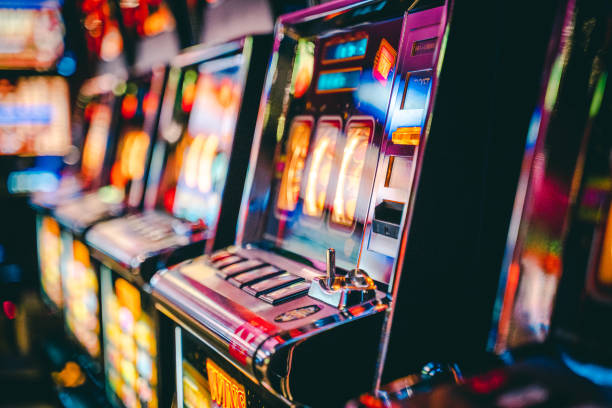
The setting in which gambling occurs dramatically influences the psychological experience of the player. Land-based casinos often design their environments to amplify excitement and engagement. Bright lights, lively sounds, and the buzz of fellow players contribute to a sensory experience that stimulates the desire to gamble. This atmosphere can overwhelm a person’s senses, leading to impulsive decisions that might not be made in a more subdued environment.
Online casinos, while lacking the physical presence of a traditional venue, harness technology to create immersive experiences. They employ strategies such as live dealer games, interactive interfaces, and social features that allow players to connect with others remotely. This digital engagement can foster a sense of community, making the act of gambling feel more socially acceptable and enjoyable. The unique environment of online gambling can enhance emotional investment, making it easier for individuals to overlook risks associated with their activities.
Ultimately, both online and land-based environments contribute to the thrill of gambling. The ability to gamble at any time and place through online platforms has transformed the landscape, presenting new opportunities for excitement while also increasing the potential for addiction. Understanding how environment impacts gambling can help individuals recognize and manage their own responses to these psychological triggers.
The Psychology of Winning and Losing
The psychological impacts of winning and losing in gambling are profound and often contradictory. Winning can lead to increased confidence and a sense of control, while losing can evoke feelings of regret and frustration. The “near miss” phenomenon—when players come close to winning but fall short—can be particularly harmful, as it can reinforce the desire to gamble more. This state creates a false sense of hope, leading individuals to believe that they are “due” for a win, which fuels continued gambling behavior.
Moreover, individuals often develop a narrative around their gambling experiences, viewing wins as validation of skill or intuition, while losses are attributed to bad luck or external factors. This cognitive bias can skew an individual’s perception of gambling, making it more likely that they will continue to engage despite negative outcomes. The distinction between luck and skill can be a slippery slope, as many gamblers fail to recognize the sheer randomness of many games.
Addiction also plays a critical role in how individuals experience winning and losing. For some, the thrill of gambling becomes an escape from daily life or emotional turmoil, with wins providing a temporary reprieve from stress. Conversely, losses can deepen their emotional struggles, creating a vicious cycle of gambling to cope with distress. Understanding these psychological dynamics can empower individuals to make more informed choices about their gambling behavior.
The Influence of Social Factors
Social influences have a powerful effect on gambling behavior. Peer pressure and social norms can shape an individual’s perceptions about gambling, often glamorizing it as an entertaining and acceptable risk. In many cultures, gambling is celebrated as a rite of passage or social activity, which can lead to a normalization of risky behaviors. This societal acceptance can make it difficult for individuals to see the potential pitfalls and risks associated with gambling.
Additionally, the rise of social media has changed the landscape of gambling. Players often share their experiences, wins, and losses online, creating an environment where gambling becomes a part of social identity. This sharing can reinforce the thrill of gambling as players compare experiences and outcomes, fostering a sense of community. However, it can also exacerbate feelings of competition and FOMO, driving individuals to gamble more in pursuit of the social validation that comes with success.
The role of family and friends in gambling behavior cannot be understated. Encouragement or caution from loved ones can significantly impact an individual’s decisions regarding gambling. Those who come from families where gambling is common may be more likely to engage in similar behavior without recognizing the risks involved. Thus, addressing social influences is crucial for fostering healthier attitudes toward gambling and mitigating its potential harm.
Explore Responsible Gambling
Understanding the psychological thrill of gambling is essential for promoting responsible gambling practices. The website offers comprehensive insights into the dynamics of gambling psychology, emphasizing the importance of informed decision-making. Players can explore a wealth of resources that highlight the potential risks associated with gambling while also providing strategies for safe play.
In addition, users can find expert reviews and ratings of various online casinos, helping them choose platforms that prioritize player safety and provide transparent information. With an emphasis on modern payment methods and fast withdrawals, individuals can enjoy their gaming experience while still maintaining control over their finances. This focus on responsible gambling ensures that the thrill of the game does not overshadow the importance of safety.
Ultimately, understanding the psychological aspects of gambling empowers players to make healthier choices. By recognizing the thrill and risks associated with gambling, individuals can create a balanced approach that allows them to enjoy the excitement while minimizing potential negative impacts on their lives. The website serves as a valuable resource for both novice and experienced gamblers seeking a fulfilling and safe gambling experience.
Objašnjenje popularnih igara u kasinu Što trebate znati
Objašnjenje popularnih igara u kasinu Što trebate znati Uvod u igre u kasinu Igre u kasinu su jedna od najpopularnijih ...